
Let’s explore the fascinating world of goldfish and discover whether or not, do goldfish need bubbles in their tanks.
We’ll dive into the topic and uncover the secrets behind goldfish and their unique needs. Join us as we unravel the mysteries of these captivating aquatic creatures in this article
Do Goldfish Need Bubbles?
No. Goldfish do not require bubbles or an air pump in their aquarium. Unlike some other fish species, goldfish obtain oxygen from the water’s surface rather than through gills.
They have a specialized organ called a labyrinth organ that allows them to breathe atmospheric air. An air pump and bubble system can be used in a goldfish tank for aesthetic purposes or to increase water movement, but they are not essential for the health and well-being of the fish.
Goldfish primarily rely on oxygen dissolved in the water, which is replenished through regular water changes and adequate surface agitation.
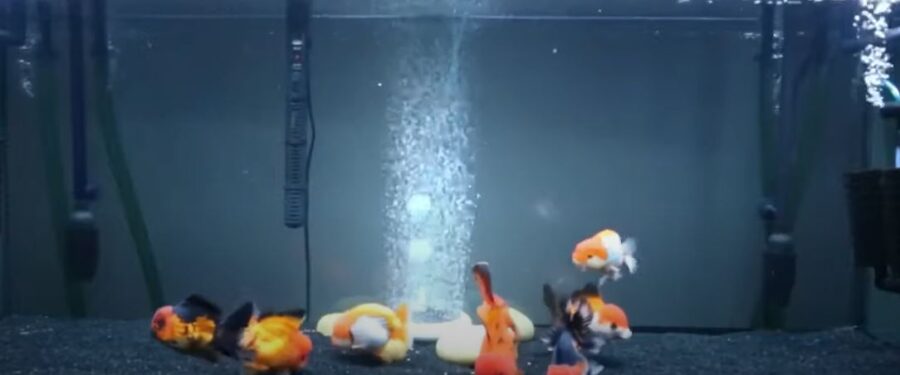
Do Bubbles Provide Oxygen for Goldfish?
No. Bubbles do not directly provide oxygen for goldfish. Goldfish primarily obtain oxygen through:
- their gills
- from the water’s surface
While bubbles can enhance oxygen exchange at the water surface by increasing water movement, they are not the primary source of oxygen for goldfish.
Proper oxygenation in a goldfish tank is achieved through surface agitation, which can be achieved with a filter or water pump.
These methods:
- increase water movement
- allow oxygen to dissolve
- replenish the oxygen levels in the tank
While bubbles can contribute to water movement and oxygenation, they are not the sole source of oxygen for goldfish.
Should I Use an Air Pump in My Goldfish Tank?
No. Using an air pump in a goldfish tank is a personal choice rather than a necessity for the fish. Goldfish are adaptable and can thrive in a tank without an air pump as long as there is:
- sufficient oxygenation
- water movement
An air pump offers some benefits.
- The bubbling effect can add visual interest and create an appealing aesthetic in the aquarium.
- Increased water movement from the air pump helps distribute heat and oxygen more evenly throughout the tank.
- Air bubbles break up the water’s surface, preventing stagnation and facilitating gas exchange.
While not essential, an air pump can be a useful addition to a goldfish tank, provided that water quality and oxygenation are properly maintained.
How Can I Ensure Proper Oxygenation for My Goldfish?
To ensure proper oxygenation for goldfish, several factors should be considered:
1. Maintaining good water quality is crucial by applying:
- regular water changes
- filtration systems
- waste removal
- adequate surface agitation
This can be achieved through:
- a filter
- water pump
- air stone/bubble system
- increasing water movement
- promoting oxygen exchange at the surface
2. Avoiding overcrowding is important as it can lead to reduced oxygen levels. Goldfish produce more waste, so providing enough space and monitoring stocking levels are necessary.
3. Maintaining the appropriate temperature is important since warmer water holds less dissolved oxyge
What Are the Benefits of Using Bubbles in a Goldfish Tank?
While bubbles and an air pump are not necessary for goldfish, there are some benefits to using them in a tank.
- Bubbles create visual interest and can enhance the overall aesthetics of the aquarium.
- They add movement and liveliness to the tank, making it more appealing to observe.
- Bubbles increase water circulation and surface agitation, which helps to distribute oxygen more efficiently and prevent the water from becoming stagnant.
- Improved oxygenation promotes the well-being of goldfish and other aquatic inhabitants,
- Bubbles can aid in breaking down protein film or debris on the water’s surface, leading to better gas exchange and maintaining a cleaner environment for the fish.
Can Bubbles Cause Any Harm to Goldfish?
No. Bubbles and an air pump do not cause harm to goldfish when used properly. However, it’s essential to consider a few factors to ensure the well-being of the fish:
- Excessive bubbles or turbulent water movement can create stress for goldfish. They prefer calmer environments and excessive agitation may disrupt their natural behavior and cause undue stress.
- Strong turbulence or large bubbles, can disturb the water’s surface, resulting in increased evaporation and potential temperature fluctuations.
- Air pumps can generate noise, which may also stress the fish.
It’s advisable to use a quiet air pump or consider alternative methods for oxygenation if noise becomes an issue.
Are There Alternatives to Bubbles for Oxygenating a Goldfish Tank?
Yes, there are alternative methods for oxygenating a goldfish tank without using bubbles or an air pump.
1. Filtration
One of the primary methods is through the use of a filtration system. A well-designed filter provides mechanical, biological, and chemical filtration, which helps maintain water quality and oxygenation.
The movement created by the filter impeller and water flow promotes oxygen exchange at the surface.
2. Water Pump
Additionally, water pumps can be used to create water movement and enhance oxygenation.
By positioning the water pump strategically, it can create a gentle flow that ensures proper oxygen dissolution and circulation in the tank.
3. Aquatic Plants
Another method is utilizing aquatic plants, which release oxygen during photosynthesis. Live plants in the aquarium not only provide natural beauty but also contribute to oxygen production.
4. Regular water changes
This help replenish oxygen levels and maintain overall water quality. By combining these methods, it is possible to effectively oxygenate a goldfish tank without relying on bubbles.
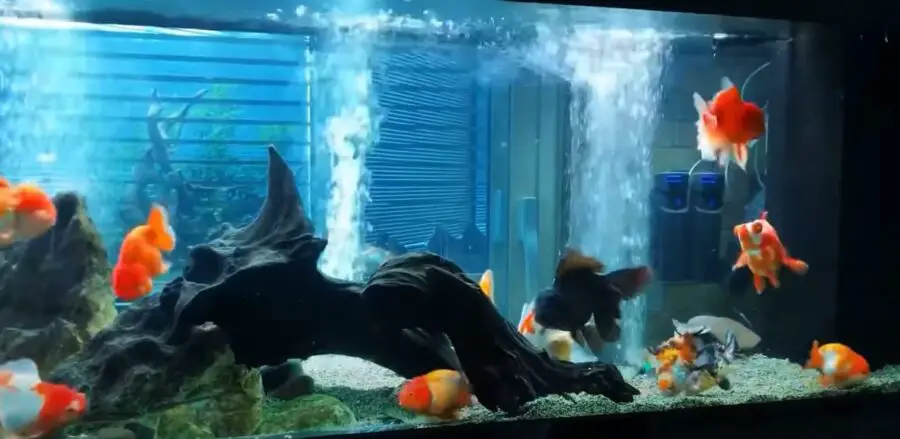
Can Goldfish Benefit from a Bubble Bar?
A bubble bar, also known as an air curtain or bubble wall, can provide some benefits for goldfish in a tank.
- Firstly, it creates a visually appealing display, adding a unique and dynamic element to the aquarium. The rising column of bubbles can create an interesting backdrop and enhance the overall aesthetics.
- Secondly, a bubble bar can contribute to increased water movement and surface agitation. The continuous release of bubbles along the length of the bar creates water circulation, which promotes oxygen exchange and prevents stagnation. This can be particularly beneficial in large tanks or tanks with limited filtration.
- Lastly, goldfish may find the gentle water movement created by the bubble bar stimulating and enjoyable, as it mimics the natural flow they would experience in their native habitats.
Ensure that the bubble bar is not generating excessive turbulence or stress for the goldfish, and that water quality and oxygenation are properly maintained through other means as well.
Do Goldfish Need a Filter?
Yes, goldfish do need a filter in their tank. A filter plays a crucial role in maintaining water quality and providing a healthy environment for goldfish.
Goldfish produce a significant amount of waste, and without a filter, waste and toxins can quickly accumulate, leading to:
- poor water quality
- ammonia buildup
- potential health issues for the fish
A filter helps remove:
- physical debris
- excess food
- fish waste from the water
the filter’s biological filtration component houses beneficial bacteria that break down harmful substances such as ammonia and nitrite, converting them into less toxic compounds.
There are various types of filters available, including:
- hang-on-back filters
- canister filters
- sponge filters
The choice of filter depends on:
- tank size
- stocking level
- personal preference.
Regular maintenance, such as cleaning or replacing filter media, is essential to ensure the filter functions optimally.
Conclusion
Understanding the needs of goldfish is essential for their well-being. While bubbles may add a touch of beauty to their tanks, they are not a necessity for their survival.
Proper water quality, oxygenation, and maintaining a healthy environment are the key factors to ensure the happiness and longevity of these charming fish.
Thanks for visiting HelpUsFish.com for this article. Check out our home page and search bar with hundreds of aquatic or marine life articles to choose from. Bye for now!
Table of Contents